
Investigation of the Relationship Between Live Dietary Microbe Intake and Health Outcomes, Using the Korean National Health and Nutrition Examination Survey (KNHANES)
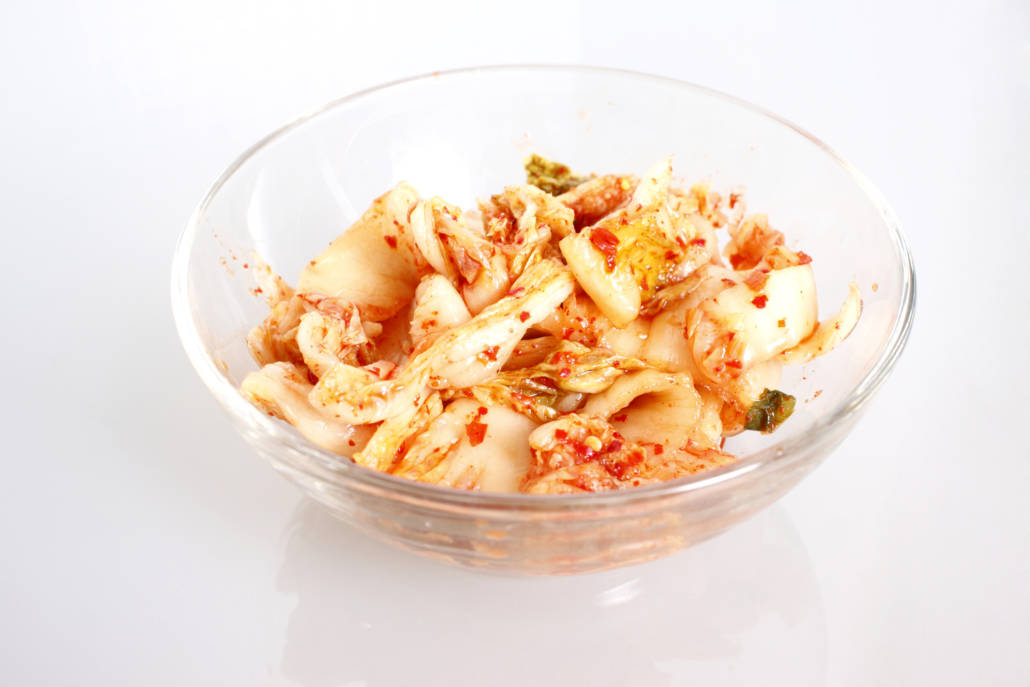
Research has shown that the consumption of live microbes, including and beyond probiotics, is associated with health benefits. Fermented foods, such as yogurt and kimchi, are rich in live bacteria and may help to promote a healthy gut microbiome and support overall health. Consuming fermented foods may be associated with a range of health benefits, including improved digestive health, increased nutrient absorption, and a strengthened immune system. Some studies have also linked the consumption of fermented foods with a reduced risk of certain chronic diseases, such as type 2 diabetes, cardiovascular disease, and certain types of cancer. However, not all fermented foods contain the same types or amounts of live microbes, and further research is needed to delineate how the effects of live microbe intake can vary depending on individual factors such as age, gender, health status, and diet.
The study has four aims: (1) quantify live microbe intake in KNHANES); (2) identify foods that are top contributors to live microbe intake; (3) use KNHANES to investigate the potential association between live microbe intake from foods and systemic health indicators including BMI, blood lipids, HbA1c, and the Framingham 10-year risk score, and self-reported CVD diagnoses; (4) explore subgroup differences in live microbe intake from foods, such as gender, age group, and individual diet differences as represented by Korean Healthy Eating Index (KHEI) scores. The project aims are constructed around the following hypotheses:
• Live microbe intake from foods, including fermented food, is related to systemic health indicators in an age- and gender-dependent manner in the Korean population.
• Effects of live dietary microbe intake on systemic health in Korean adults vary depending on individual dietary factors such as the KHEI score.
Institution: Tufts University
Principal Investigator: Mei Chung, PhD
Year Awarded: 2023
Learn more about our work on Live Dietary Microbes with this summary handout.
View this project on the Center for Open Science's Open Science Framework
This work is supported by the IAFNS Nutrition for Gut Health Committee

